

Call us now
08045800138

 Send Inquiry
Magnets Bar Pair Alnico
MOQ : 10 Sets
Magnets Bar Pair Alnico Specification
- Usage
- For Laboratory and College Purpose
- Product Type
- Alnico Magnet Bar
- Material
- Metal
- Size
- 50 x 13 x 6-150 x 19 x 7 MM
- Feature
- Durable and High Performance
- Color
- White and Red
Magnets Bar Pair Alnico Trade Information
- Minimum Order Quantity
- 10 Sets
- Payment Terms
- Cash in Advance (CID), Cash Advance (CA)
- Supply Ability
- 500 Sets Per Day
- Delivery Time
- 1 Week
- Sample Available
- Yes
- Sample Policy
- Contact us for information regarding our sample policy
- Packaging Details
- Carton Box
- Main Export Market(s)
- Australia, Middle East, Africa, Central America, South America, Western Europe, Asia, Eastern Europe, North America
- Main Domestic Market
- All India
Magnets Bar Pair Alnico About
Magnets Bar Pair Alnico refers to a set of two bar magnets made from Alnico, a type of alloy composed of aluminum, nickel, and cobalt. These magnets are known for their strong magnetic properties and are widely used in various industrial, educational, and scientific applications.
Frequently Asked Questions:
Q: What are the properties of Alnico magnets?
A: Alnico magnets are known for their high magnetic strength, excellent temperature stability, and good resistance to corrosion. They exhibit strong magnetic fields and are capable of retaining their magnetic properties even in high-temperature environments.
Q: What are bar magnets used for?
A: Bar magnets, including those made from Alnico, have a rectangular shape and are commonly used in educational settings, experiments, and scientific research. They are often used to demonstrate magnetic properties, conduct magnetic field experiments, and in various magnetic assemblies and devices.
Q: Can Magnets Bar Pair Alnico be used for industrial applications?
A: Yes, Magnets Bar Pair Alnico can be utilized in industrial applications where strong magnetic fields are required. They find application in areas such as motors, generators, sensors, measuring instruments, magnetic separators, and more.
Q: Are Magnets Bar Pair Alnico suitable for outdoor use?
A: Alnico magnets are relatively resistant to corrosion compared to some other magnet materials. However, if exposed to harsh environmental conditions or moisture for an extended period, they may still experience some corrosion. Proper coating or protective measures can be taken to enhance their durability for outdoor applications.
Versatile Educational Tool
These Alnico bar magnets are ideal for demonstrating magnetic principles and conducting experiments in classrooms or laboratories. Their size range and sturdy build make them essential tools for physics and general science education, enabling students and educators to showcase core scientific concepts with ease.
Engineered for Reliability
Manufactured with a focus on durability and performance, our bar magnets withstand repeated usage in busy academic environments. The signature white and red coloring not only makes identification simple but also helps in visual demonstrations and polarity recognition during practical experiments.
FAQs of Magnets Bar Pair Alnico:
Q: How do I use these Alnico bar magnets in a laboratory or classroom setting?
A: These Alnico bar magnets are typically used to demonstrate magnetic properties, such as attraction and repulsion, magnetic fields, and interactions with various materials. Simply place them on a flat surface or suspend them to explore magnetism with iron filings or other metallic objects.Q: What makes these Alnico magnets suitable for college and laboratory purposes?
A: The magnets are crafted from high-quality Alnico alloy, providing strong magnetic power, durability, and consistent performance, essential for precise scientific experiments and educational demonstrations.Q: When can these bar magnets be applied in academic experiments?
A: These magnets are suitable for use during physics and science lessons focusing on magnetism, forces, and field visualization. They are also crucial for laboratory activities where repeated, reliable magnetic performance is necessary.Q: Where are these bar magnets manufactured and exported from?
A: Our Alnico bar magnets are manufactured and exported from India, where we ensure strict quality control and adherence to industry standards as both the producer and supplier.Q: What is the process for determining the poles on these magnets?
A: Each magnet is clearly marked with white and red colors, typically denoting the north and south poles respectively, which allows easy identification during classroom demonstrations or experiments.Q: What are the main benefits of using these magnets in an educational environment?
A: The primary benefits include enhanced understanding of magnetic concepts, high durability for repeated classroom use, visual clarity due to distinct coloring, and the ability to reliably perform a wide range of experiments.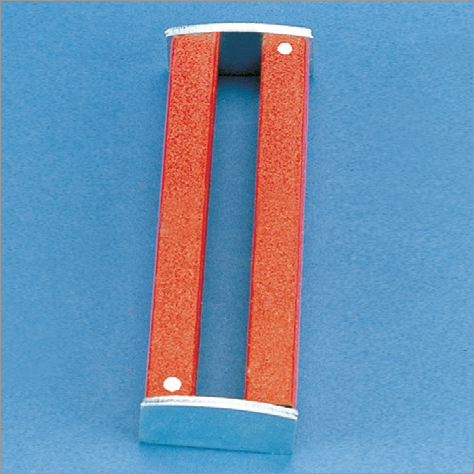
Tell us about your requirement

Price:
Quantity
Select Unit
- 50
- 100
- 200
- 250
- 500
- 1000+
Additional detail
Mobile number
Email

More Products in Electricity & Magnetism Category
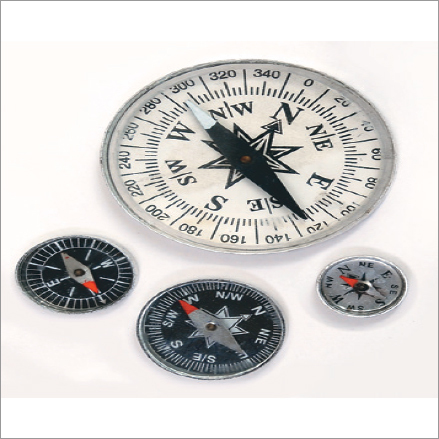
Laboratory Magnetic Compass
Price Range 50.00 - 500.00 INR / Piece
Minimum Order Quantity : 10 Pieces
Color : Black and White
Product Type : Magnetic Compass
Feature : Long Working Life
Size : 16100 MM

DC Electric Dynamo Motor
Price Range 500.00 - 5000.00 INR / Piece
Minimum Order Quantity : 10 Pieces
Color : Red and Black
Product Type : Dynamo Motor
Feature : Long Working Life and High Strength
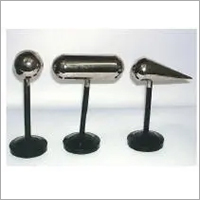
Mounted on a Insulated Atand Electrostatic Conductor
Price Range 500.00 - 5000.00 INR / Piece
Minimum Order Quantity : 10 Pieces
Color : Silver and Black
Product Type : Electrostatic Conductor
Feature : Long Working Life and High Strength
Size : Sphere 5, Cone 12.5 x 5 and Cylinder 10 x 5 CM

Magnetic Compass For Tracing the Magnetic Fields of Bar Magnets
Price Range 50.00 - 380.00 INR / Piece
Minimum Order Quantity : 10 Pieces
Color : Mix Colour
Product Type : Magnetic Compass
Feature : High Performance and Great Strength
Size : 16100 MM

SADANA BROTHERS
SCI-LAB SOLUTION
SCI-LAB SOLUTION
Plot No- A-8/1, Naraina Ind. Area, Phase 1, New Delhi - 110028, India
Phone :08045800138
 Send Inquiry
 Send Inquiry
 Send SMS
SADANA BROTHERS
All Rights Reserved.(Terms of Use)
Developed and Managed by Infocom Network Private Limited.
Developed and Managed by Infocom Network Private Limited.

